What the Standards of Practice Require When a Roof Cannot Be Walked
Most home inspectors follow either the ASHI or InterNACHI Standards of Practice. Both set clear expectations for roof inspections. Inspectors must inspect the roof covering, flashings, and penetrations. They must report on observed defects, but there is no requirement to walk every roof.
When a roof cannot be safely walked, the standards direct inspectors to use alternative methods. This can include a ladder at the eaves, binoculars or a camera from the ground, or a drone. Inspectors must report the method used and any limitations to the inspection in their report.
The most important element is disclosure. If you do not walk the roof, you must state why and describe the method you used instead. Home buyers, sellers, and agents rely on this transparency to understand what was inspected and what may not have been visible.
Keep reading: Report Wordings That Turn a Home Inspection Into a Claim
Safety Limits: Pitch, Covering Type, Height, and Weather
Walking a roof delivers the most detail, but not every roof is safe to walk. Most inspectors set a safe pitch limit. Many will not walk anything steeper than a 6 to 12 pitch, which is a 26.5 degree angle. Steeper roofs increase the risk of slipping, even with good footwear.
Roof covering type matters. Asphalt shingles, metal panels, clay tiles, and slate each have different traction and breakage risks. Clay and slate can crack under weight. Metal can be slick, especially with dew or pollen. Wood shakes can be fragile or mossy. Inspectors often stay off these materials to prevent damage and injury.
Height is another consideration. Working at one story is much safer than climbing a three story roof. Some inspectors limit walks to roofs they can reach with a 24 foot extension ladder. Taller structures may call for aerial methods or ground level viewing.
Weather cannot be ignored. Wet, icy, or snow covered roofs are off limits for most inspectors. Even heavy morning dew can turn shingles into a slip hazard. Wind also complicates ladder and drone use. Inspectors should reschedule or use alternate methods when conditions are not safe.
FAA Part 107, Remote ID, and Airspace Authorization for Paid Flights
Any inspector flying a drone for a paid inspection must comply with FAA rules. This means having a Part 107 Remote Pilot Certificate. The certificate requires passing a knowledge test and following ongoing FAA requirements.
The FAA now mandates Remote ID for most drones. This is an electronic license plate that broadcasts the drone's identifying information. Inspectors must use a compliant drone or attach a broadcast module. Exceptions exist for certain small drones, but they are rare in commercial inspections.
Airspace matters. Most residential roofs are in uncontrolled Class G airspace, but homes near airports may sit in controlled airspace. Inspectors need FAA authorization to fly in Class B, C, D, or surface E airspace. This permission can be requested through LAANC, an automated approval system. Flying without authorization can lead to enforcement action and loss of your certificate.
Other FAA rules apply. Inspectors must keep the drone in visual line of sight, fly below 400 feet, and avoid flights over people not involved in the inspection. Night flights require additional training and anti-collision lighting. All flights must be logged.
Keep reading: Florida Wind Mitigation and 4-Point Forms: Rules and Credentials
What Each Method Actually Shows: Flashing, Fastener Backout, Soft Decking
Walking the Roof
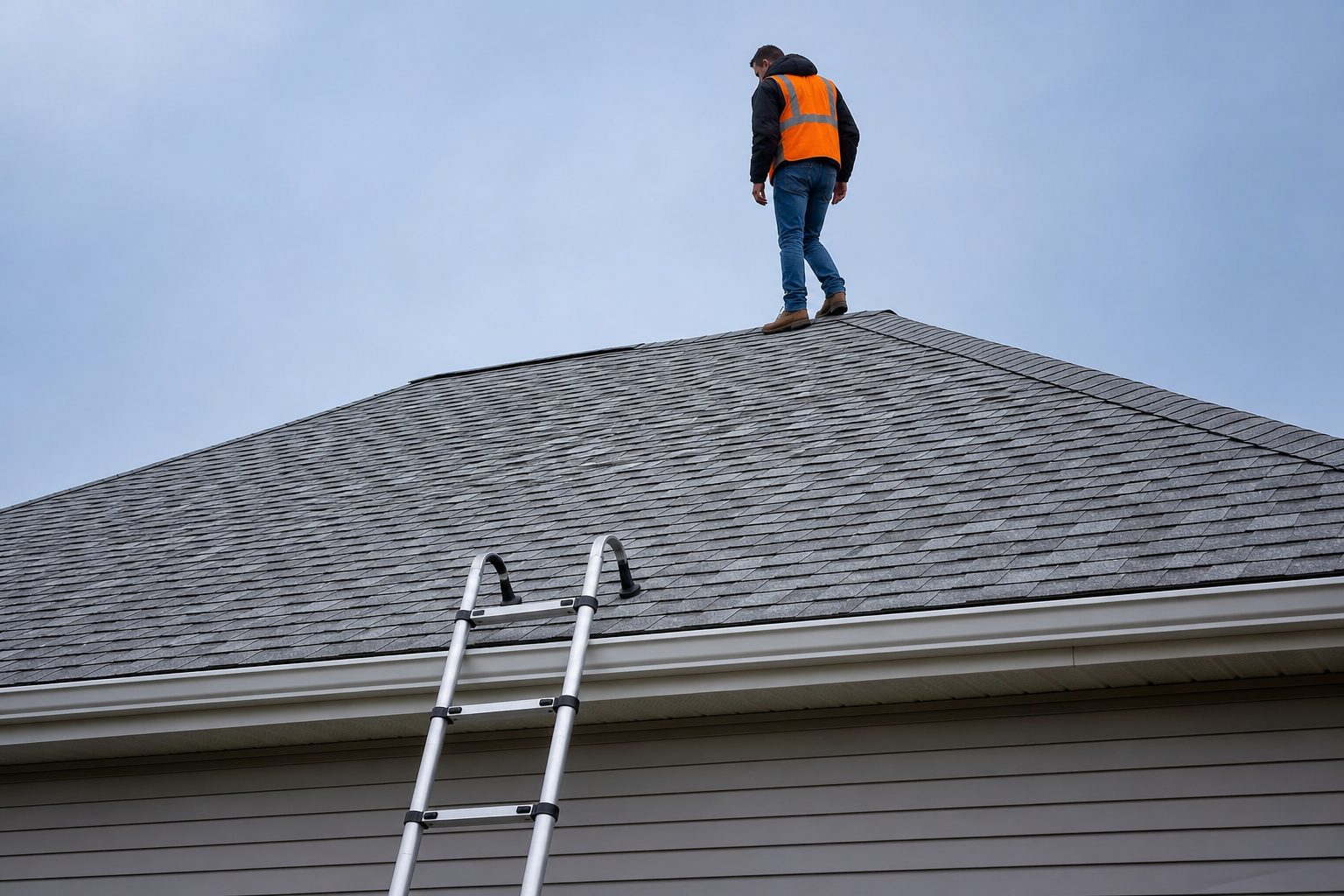
Walking gives the highest level of detail. Inspectors can see and touch flashings, lift shingles at suspect spots, and feel for soft decking. Fastener backout and nail pops are usually visible up close. Granule loss, minor cracks, and hail bruising can be checked by hand. Soft spots are easy to detect with body weight.
Drone Inspection
Drones provide a bird's eye view and access to hard to reach slopes. High resolution cameras catch missing shingles, exposed nails, loose flashings, ponding, and debris. Some drones can zoom in to catch more detail, but fine issues like small blisters or very slight granule loss may not be visible. Drones cannot detect soft decking by touch. However, they are excellent for chimney caps, valleys, and steep or high areas that cannot be walked.
Ladder at the Eave
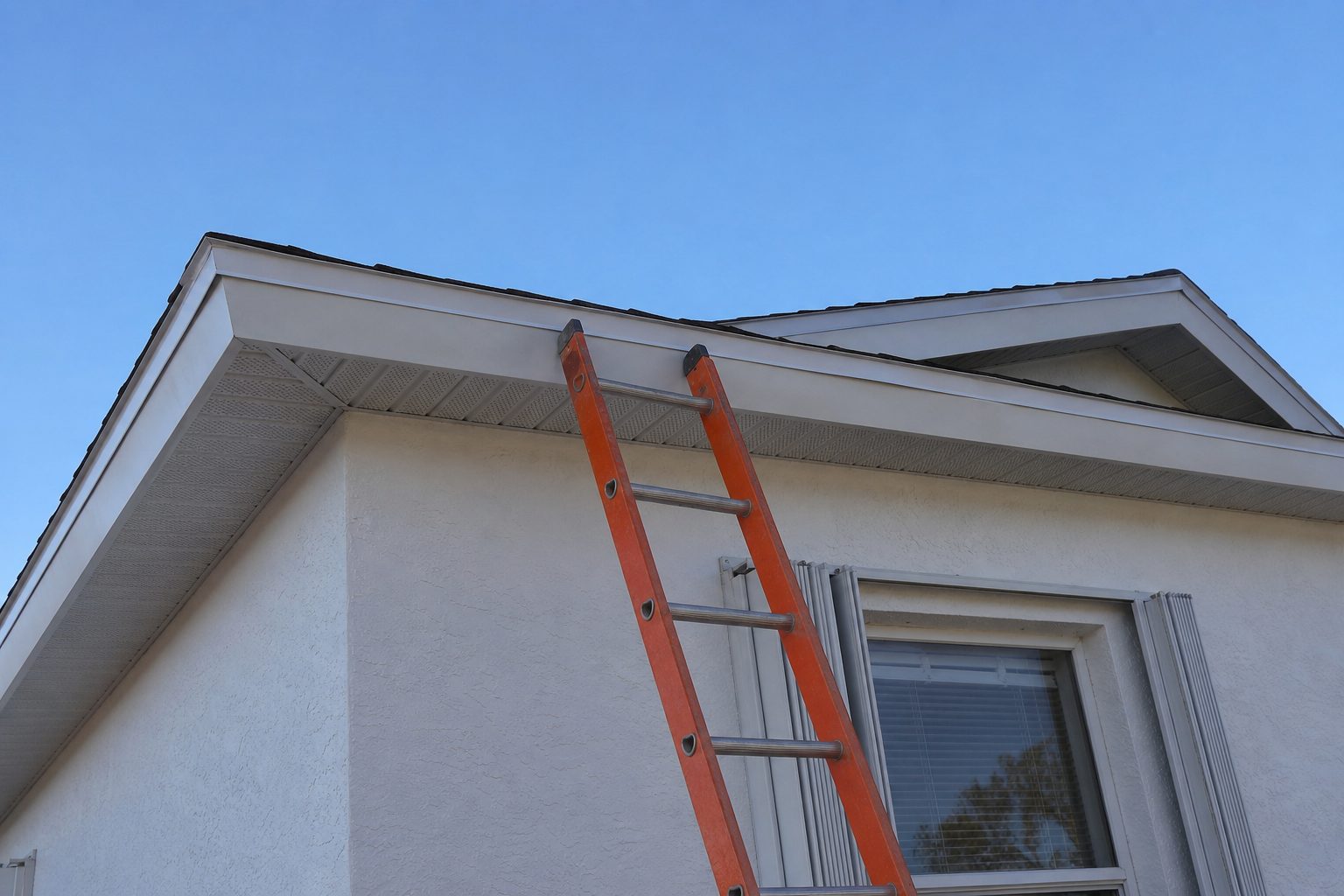
A ladder up to the eave allows close inspection of the lower courses, drip edge, and gutter line. You can sometimes view the underlayment, see starter shingles, and check the condition of the first few rows. Flashings at the roof edge and visible fasteners may be seen. Most of the field of the roof remains out of reach. Ridge and higher slopes are only visible at a distance.
Ground Level Viewing
From the ground, binoculars or a zoom camera can reveal missing shingles, major flashing defects, or severe sagging. Surface issues like loose tabs, nail pops, and small cracks are hard to see. Soft decking is invisible. The ground view is least detailed and easily blocked by overhangs, trees, and roofline changes.
Photo Quality and Annotation for the Report Summary
Photos are a cornerstone of the modern inspection report. Walking the roof allows for detailed close up shots of defects, but lighting and shadows can complicate images. Fastener issues and fine cracks need macro settings or extra care to photograph well.
Drones deliver wide angle and overhead shots that show the roof layout, slope, and large defects. Image quality depends on the drone's camera and the inspector's skill. Some drones shoot high resolution stills and even 4K video, but wind and glare can blur images. Zooming helps, but digital zoom can reduce clarity.
Ladder photos are limited in angle and range. Inspectors often lean out for a better view, but this can be unsafe. Photos from the ladder usually capture the gutter line, lower shingles, and the roof edge. Detail is good up close, but coverage is narrow.
Ground shots rely on zoom lenses or binoculars. These can document missing shingles or a sagging ridge, but image quality may suffer from distance, shake, or obstructions. Details like nail pops or small cracks are usually invisible.
Annotation matters. Marking photos with arrows, circles, or text helps clarify the defect for clients. Modern reporting tools streamline this process, letting inspectors highlight key issues before delivering the report. This can be especially valuable when photos show only part of a defect or when context is needed to explain a limitation.
See how SlabToRoof handles this for home inspection
Insurance Coverage and State Rules on Drone Use in Inspections
Most general liability policies for home inspectors do not automatically include drone coverage. Some carriers offer drone riders or endorsements for an extra premium. Inspectors should review their policy and speak with their agent before using a drone on the job. Claims from drone crashes, property damage, or bodily injury may be denied without proper coverage.
States vary in their rules for drones. Some require registration of drones used for commercial purposes. Others limit the use of drones for surveillance or photographs of people without consent. A few states have tried to regulate drone use near private homes, though most inspectors operate with permission from the seller or listing agent as part of the inspection agreement.
Local ordinances can also interfere. Some cities restrict takeoff and landing in public areas or within town boundaries. Inspectors should check for local rules before flying. FAA rules always apply, but state and local laws can add layers of restriction or reporting requirements.
When hiring additional inspectors or subcontracting drone flights, insurance and licensing must be confirmed for all parties involved. The inspector of record is responsible for ensuring compliance with both FAA and state rules during the inspection.
Choosing a Default Method and Documenting Every Exception
Most solo inspectors develop a default method that matches their equipment, risk tolerance, and local market. Some walk every roof they safely can, using a drone or ground view only when safety or height is an issue. Others rely on drones for nearly all roofs, especially in areas with steep pitches, fragile materials, or multi story homes. A few use ladders at the eave for a quick look and supplement with ground photos when access is restricted.
Whatever method you choose, the key is consistent documentation. Your report must state how the roof was inspected, any limitations, and exactly what you could not see. Annotated photos and clear explanations can protect you from later disputes and help clients make informed decisions.
Inspection tools that allow quick photo upload, annotation, and branded report assembly help streamline this process. When same day delivery is needed, having a single system for image management and report generation can save hours and reduce errors, whether you walked, flew, or stayed on the ground.