Where the Walk and Talk Came From and What It Leaves Out
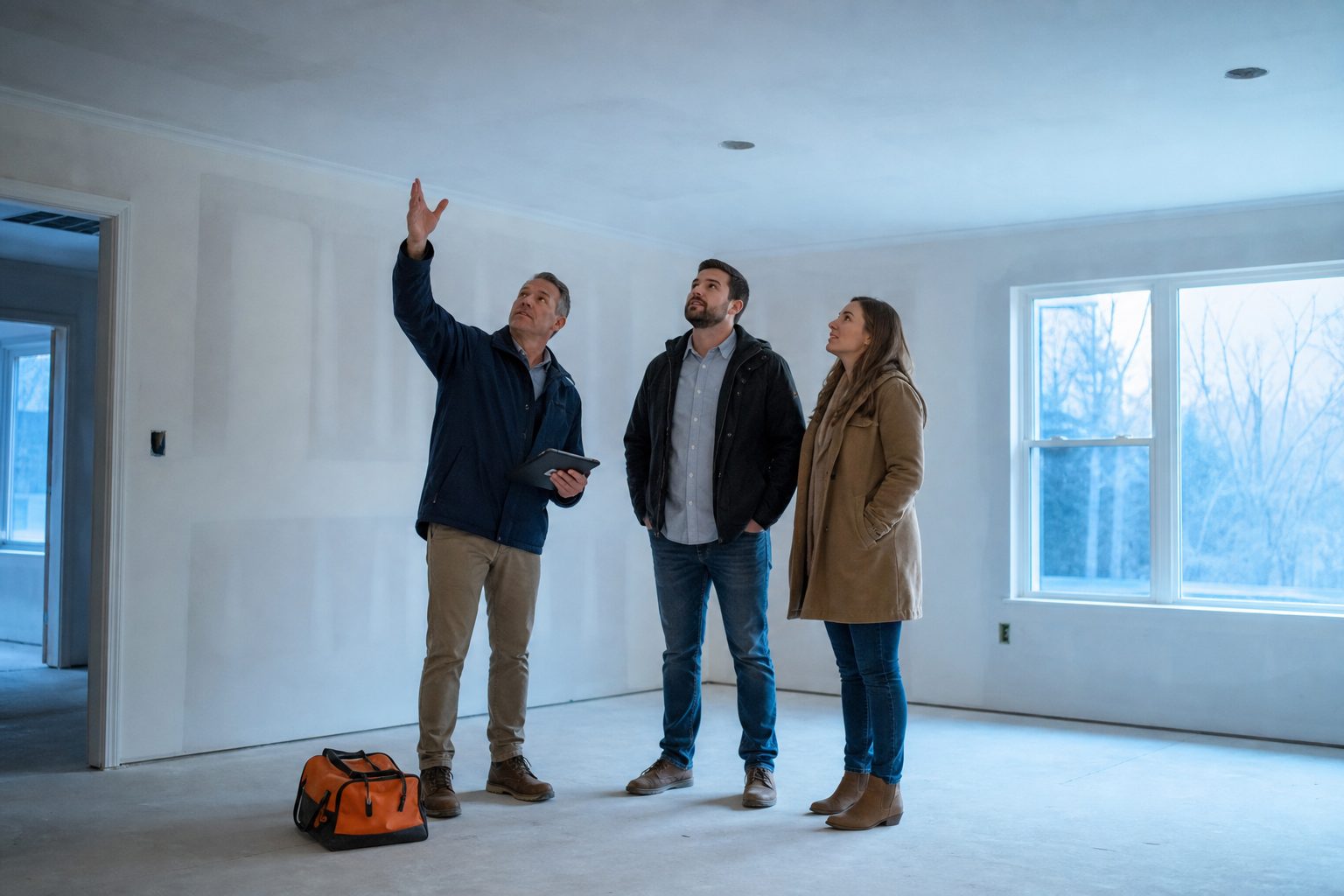
The "walk and talk" inspection developed out of hot housing markets, where buyers pressured for speed and sometimes felt they had no choice but to minimize formalities. In this approach, the inspector joins the buyer for a short tour, pointing out visible concerns and answering questions on the spot. There is no written report, no photo log, and usually, no detailed documentation.
Buyers opt for walk and talks when time is tight or when sellers will not allow a full inspection, particularly when the offer structure waives formal contingencies. Agents sometimes frame these consultations as a quick "second set of eyes." Walk and talks can also appeal to buyers who want an expert's opinion but are wary of making the seller nervous with a thorough inspection.
However, this format leaves out key elements of a standard inspection. The buyer walks away without a reference document. There is no written summary to review or to provide to contractors later. Subtle or less urgent issues are more likely to be missed or forgotten in a purely verbal exchange. The inspector also loses a layer of protection that comes with written documentation of findings and disclaimers.
Keep reading: The Attic Checklist: Ventilation, Insulation, and Framing Defects
State Laws That Require a Written Report for a Compensated Inspection
Most states have clear statutes or regulations defining what counts as a home inspection and what is required when someone is paid for their opinion on a property's condition. In many cases, state law mandates a written report if any compensation changes hands, regardless of whether the client is a buyer, seller, or agent.
Some states distinguish between "consultations" and formal inspections, but the line can be blurry. For example, in some jurisdictions, even a brief walk through with a client, if paid, may fall under the legal definition of a home inspection. Inspectors who skip the written report could face regulatory complaints or even disciplinary action if a client later claims they were shortchanged or misled.
Inspectors working near state borders or in markets with overlapping metro areas must pay attention to these definitions. One state might allow a verbal-only consultation, while the neighboring state treats every compensated opinion as requiring a report. The safest approach is to check the current statutes in each area served and err on the side of documentation.
This legal landscape means that in many places, offering a walk and talk without a written report is not just risky, it may be out of bounds altogether. Inspectors considering this service should review state licensing board advisories and remember that laws tend to tighten after disputes or lawsuits.
Standards of Practice Positions From ASHI and InterNACHI
The major professional associations for home inspectors have each addressed verbal-only walk and talk inspections. The American Society of Home Inspectors (ASHI) and the International Association of Certified Home Inspectors (InterNACHI) both publish Standards of Practice that set expectations for their members.
ASHI
ASHI's Standards of Practice specify that a home inspection involves a written report describing the condition of the inspected systems and components. ASHI has issued advisories stating that a verbal consultation does not meet their definition of a home inspection. Members are encouraged to provide a written product any time compensation is involved, both to comply with standards and to protect themselves if a client later disputes what was said.
InterNACHI
InterNACHI's Code of Ethics and Standards of Practice also call for written reports and documentation of findings. The association has made clear that walk and talk consultations fall outside the scope of a standard inspection. Members are reminded that providing only a verbal opinion can expose them to misunderstandings and to complaints within the association's oversight process.
Both organizations recognize that market pressures and client requests may drive demand for walk and talk services. However, they consistently advise that written documentation remains the professional standard, even if the inspection is limited in scope or duration.
Liability Without a Report: Agreements, Recall, and Recordings
A core function of the written report is to serve as a record for both the inspector and the client. When the inspection is verbal only, many of these protections disappear. If a dispute arises, both sides are left to reconstruct what was said, what was checked, and what was recommended.
Client Agreements and Scope
Some inspectors address this by having clients sign a limited scope or consultation agreement before a walk and talk. This document sets out what will and will not be covered and attempts to define the inspector's liability. However, enforcement of such agreements may be inconsistent, especially if state law treats any compensated inspection as requiring a written product.
Memory and Miscommunication
Without a report, both inspector and client rely on memory. It is easy for small details to be forgotten or misunderstood, especially during a fast-paced walk through. If a client later claims the inspector failed to alert them to a visible defect, the inspector's defense may hinge on recollection alone. Even with a signed agreement, this "he said, she said" dynamic increases the risk of complaints and litigation.
Audio or Video Recordings
Some inspectors attempt to mitigate risk by allowing or making audio recordings during the walk and talk. This practice comes with its own legal and practical issues. In some states, all parties must consent to being recorded. Recordings may also capture offhand statements or casual remarks that are later taken out of context. For most inspectors, a written summary remains the most defensible record of what was observed and communicated.
Keep reading: What One Inspection Costs You: Building a Per-Job Cost Model
Pre-Listing Inspections as the Counterweight
While walk and talks grab attention, the pre-listing inspection has become a steady source of work for many small shops. In this model, the seller hires an inspector before the home goes on the market. The inspector produces a full report, often with photos and a list of recommended repairs or disclosures for buyers.
Market Benefits
Pre-listing inspections can remove surprises and reduce the risk of deal-killing discoveries during escrow. Sellers get a chance to address issues on their own schedule or disclose them upfront, which can lead to smoother transactions and fewer renegotiations.
Inspector Advantages
For inspectors, pre-listing work often means more time on site, less pressure from tight escrow windows, and the ability to produce a thorough and polished report. These inspections usually leave more room for branding, photo annotation, and value-added commentary, since the seller is often motivated to share the report with multiple buyers.
Where walk and talks may feel like a race against the clock, pre-listing inspections offer a return to the thoroughness and documentation that define professional home inspection. They also help maintain pricing power in a market where some buyers seek to cut corners.
How Insurance Underwriting Is Creating New Inspection Work
Home insurance carriers are taking a closer look at the age and condition of properties before writing new policies or renewing existing ones. In some regions, insurers are demanding roof certification, four-point inspections, or specialized reports on key systems like plumbing or electrical.
Insurance Requirements
These requirements usually stem from increased claims and losses in areas prone to severe weather, fire, or water damage. Some insurers will not write or will non-renew a policy unless the home passes specific inspection criteria or needed repairs are completed.
Opportunities and Challenges
For home inspectors, this trend means a new line of business: insurance-driven inspections. These are paid by the homeowner or buyer and usually have a defined checklist set by the carrier. The scope may be narrower than a full inspection but always involves a written report and photo documentation.
Shops that can quickly turn around standardized inspection reports with annotated photos will be in a strong position to win this work. Insurance carriers and clients both need clear documentation to satisfy underwriting. This is one area where the demand for written, branded, and prompt reporting will only increase.
See how SlabToRoof handles this for home inspection
Aging Housing Stock and the Systems Now Reaching End of Life
Much of the US housing stock is now decades old. In many markets, homes built in the 1970s and 1980s make up a large share of listings. Key systems, roofing, HVAC, plumbing, electrical, are reaching or passing their expected lifespans.
This aging inventory is driving demand for expert evaluation. Buyers want to know the remaining life of big-ticket items, and sellers need documentation to support disclosures or justify repairs. Inspectors are being asked to identify safety hazards, deferred maintenance, and upgrades that could stall a sale or drive up insurance costs.
This trend gives small inspection firms an opportunity to market their expertise in system evaluation. Photo documentation and detailed summaries are becoming more important, as buyers and sellers rely on the report to negotiate repairs or plan upgrades. A quick verbal walk through is unlikely to provide the detail clients need for these decisions.
Many inspectors have found that adding system-specific checklists or offering targeted inspections, such as roof or electrical panel evaluations, meets current demand without sacrificing thoroughness or professional standards.
Pricing a Consultation So It Does Not Cannibalize Full Inspections
For small shops, the temptation to offer walk and talk consultations at a low price is strong, especially when buyers are watching every dollar. However, setting the price too far below a full inspection can cannibalize standard business and signal that a thorough inspection is not much more valuable.
Many experienced inspectors find that pricing consultations at a significant fraction of the full inspection cost discourages clients from treating it as the default. The time and risk involved, travel, expertise, and liability, are not much lower for a walk and talk than for a documented inspection. Pricing should reflect this, even if the service is shorter or the deliverable is limited.
One approach is to offer a "limited scope" written report for consultations. This allows the inspector to meet legal and professional standards while making clear that the service covers only selected items. Some shops use a branded template that highlights the difference between a full inspection and a consultation, helping clients make an informed choice.
This pricing strategy protects margins and encourages clients to see the value in comprehensive documentation. It also gives inspectors a way to meet demand for quick opinions without undermining their main line of work.
Conclusion: Speed, Documentation, and the Tools That Bridge the Gap
Walk and talk inspections reflect real pressures in the market: speed, flexibility, and buyer anxiety. However, legal requirements and professional standards increasingly point back to thorough documentation. The best-positioned small shops are those that can deliver clear, branded reports quickly, even for limited scope or insurance-driven inspections. A tool that streamlines report assembly, photo annotation, and same-day delivery allows inspectors to serve both fast-moving clients and those who need detailed records, without sacrificing professionalism or compliance.